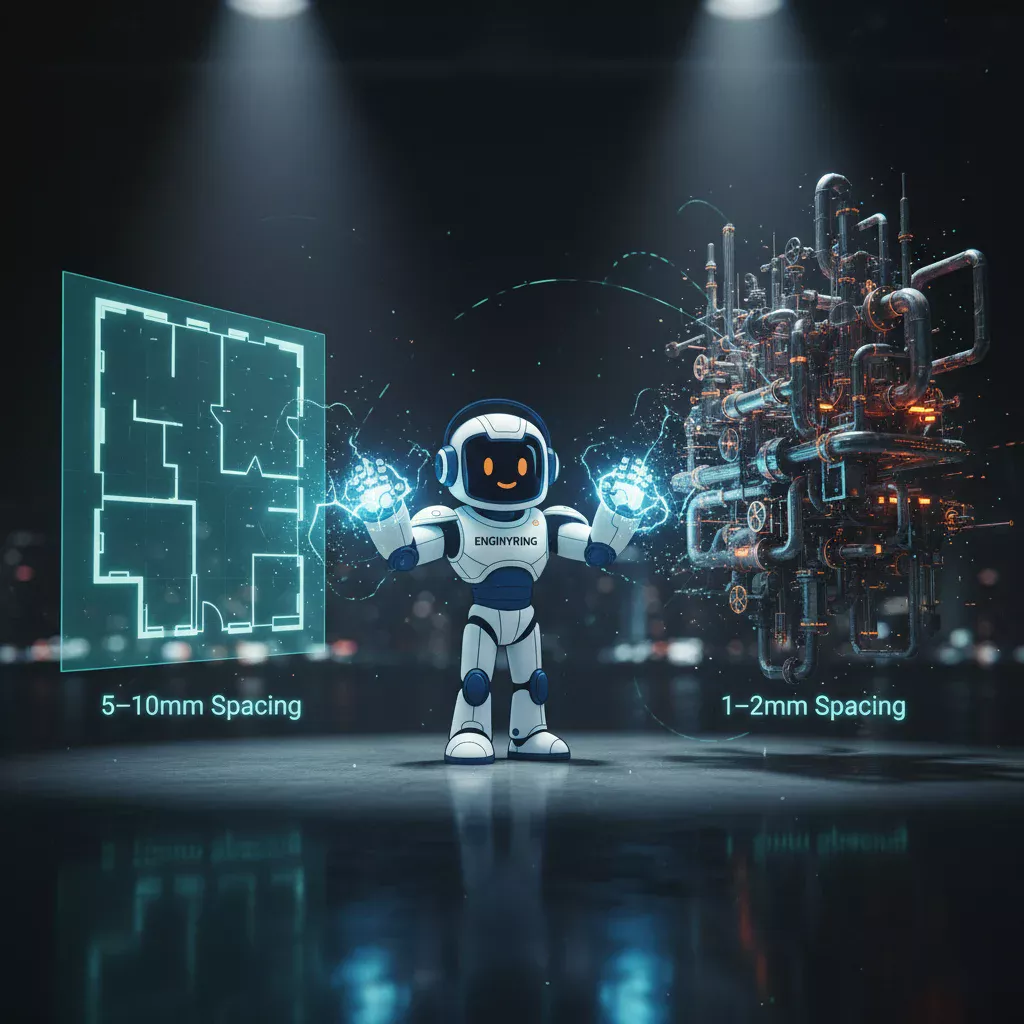
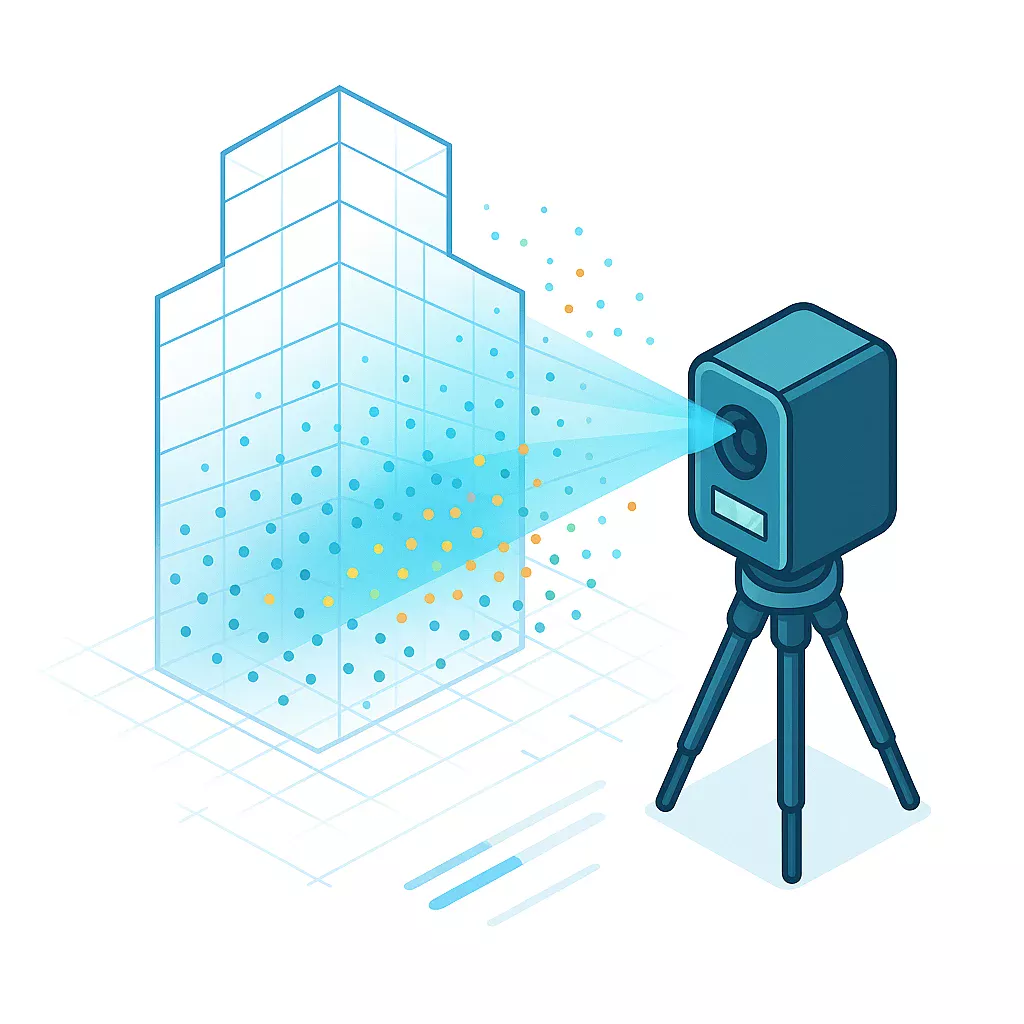
You should request a lower density scan, such as 5mm to 10mm point spacing, for projects where you need to capture the general shape and layout of a building, like creating ... (Read more)
2D floor plans are created using one of two methods: traditional manual measurement or modern 3D laser scanning. In the traditional method, a surveyor uses tools like a tape measure to manually record dimensions on-site, then drafts the plan in CAD software. The modern metho... (Read more)
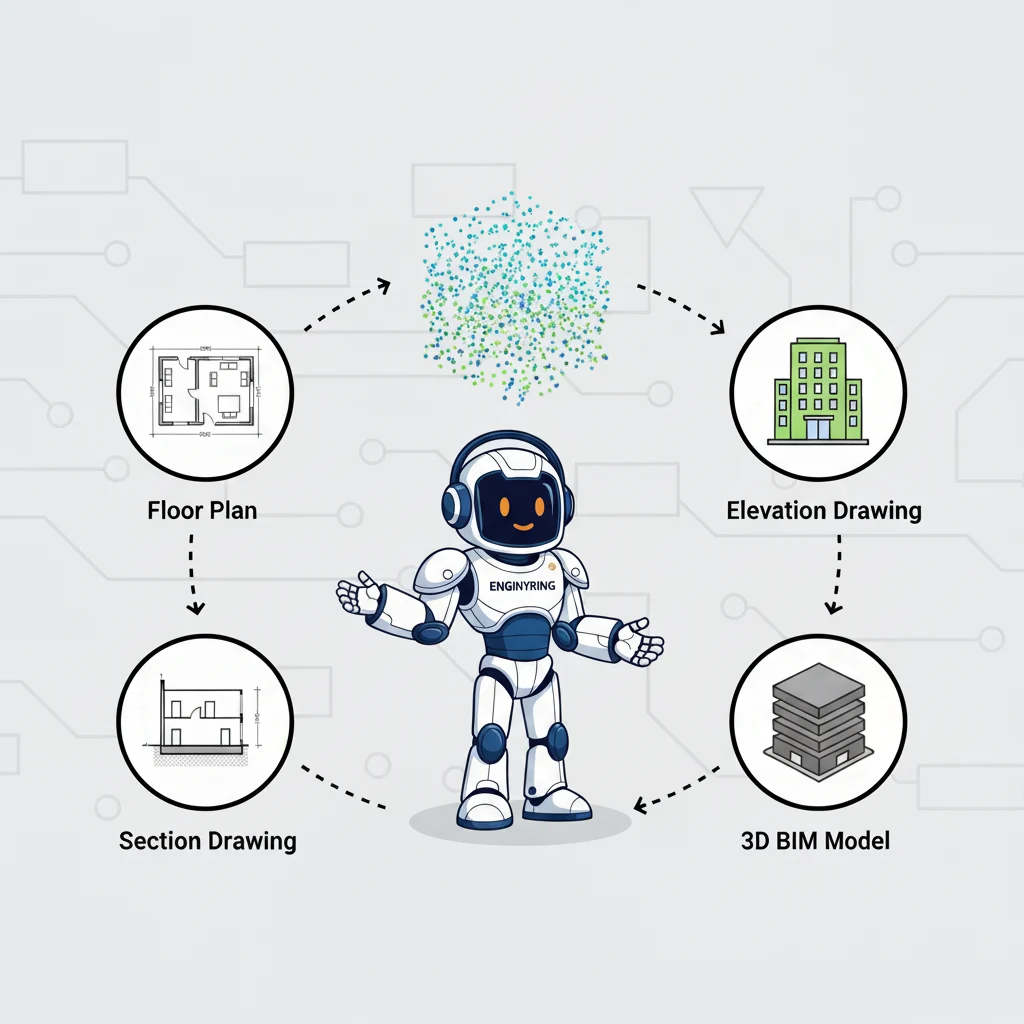
You can get two primary categories of deliverables from a raw 3D laser scan point cloud: a complete set of highly accurate 2D architectural drawings or a fully detailed 3D Building Information Model (BIM). The 2D drawings include floor plans, elevations, sections, and roof p... (Read more)
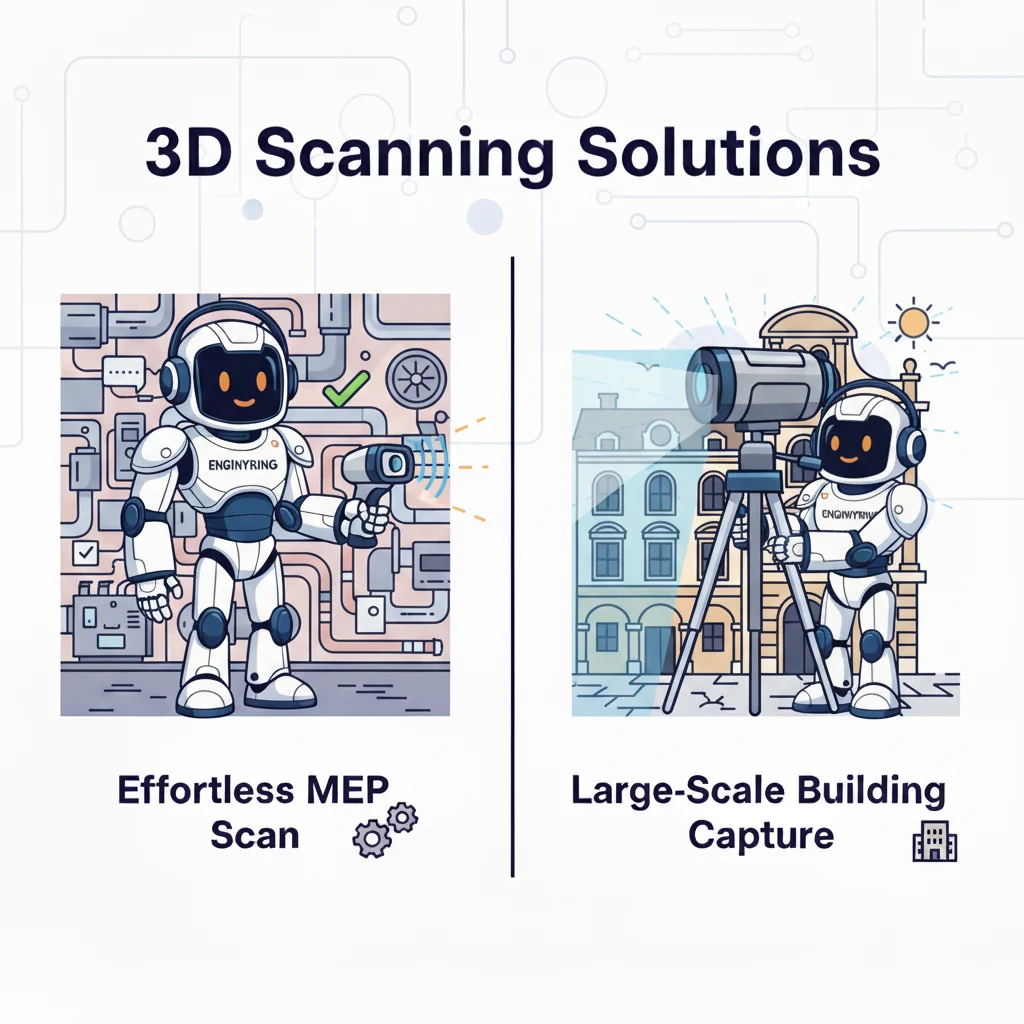
You should use a portable 3D scanner for quickly capturing small, complex, or hard-to-reach areas like mechanical rooms and individual objects. They are also ideal for frequent progress monitoring. You need a professional terrestrial laser scanner for large-scale projects th... (Read more)
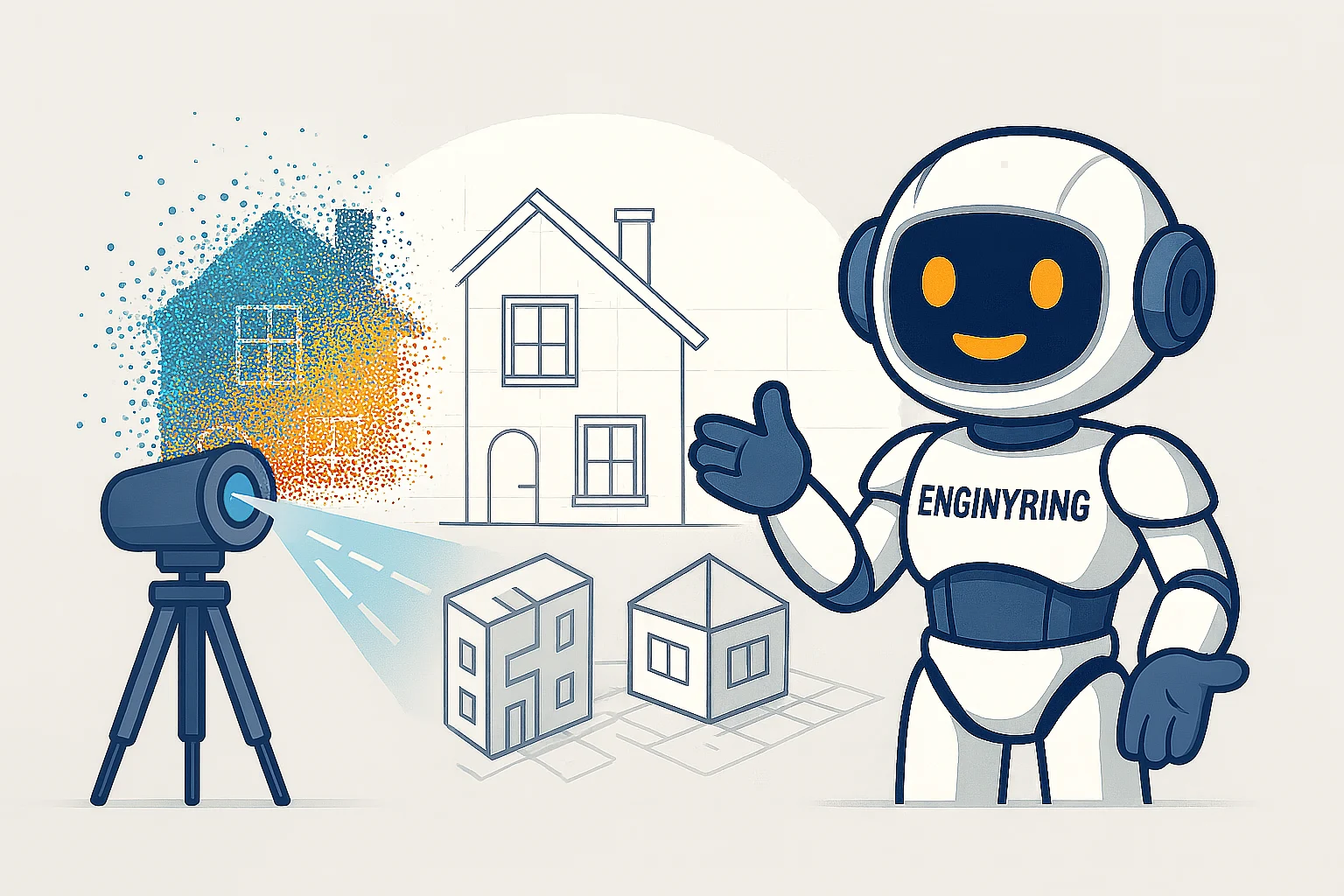
In today’s fast-evolving world of architecture, engineering, and construction, 3D laser scanning has redefined the standard for accuracy, efficiency, and comprehensive documentation. But while scanning hardware captures billions of data points, the real valu... (Read more)
The architecture, engineering, and construction (AEC) industry is undergoing a significant digital transformation. Traditional methods of surveying, documenting existing conditions, and monitoring construction progress are increasingly being supplemented or replaced by advan... (Read more)
This website uses cookies. By continuing to use this site, you accept our use of cookies.