Linux Kernel Upgrade Set to Turbocharge Web Servers: TCP Zero-Copy Explained
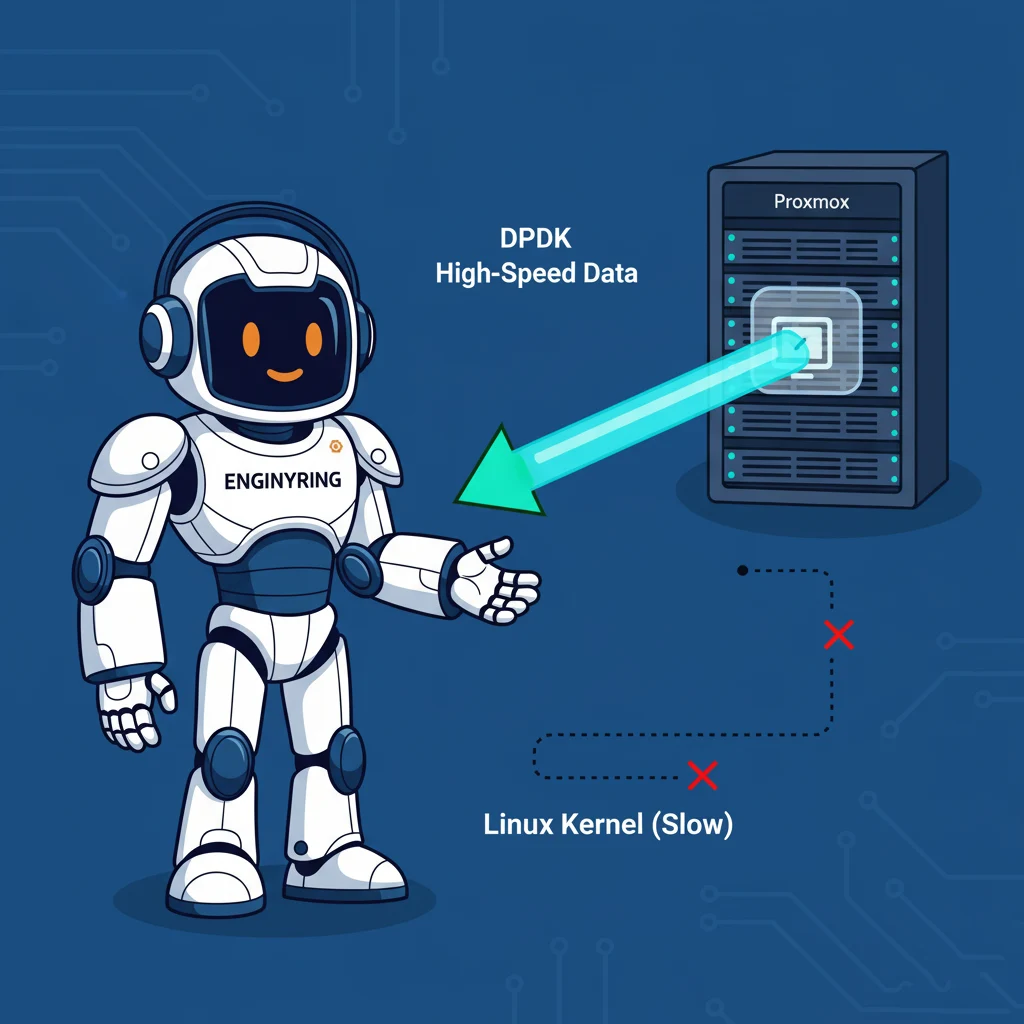
A major performance enhancement called TCP zero-copy send has been added to the Linux kernel. This new feature allows web servers to send website data with significantly less CPU overhead. The result is faster data transmission and a greater capacity to handle high traffic. You will benefit from this automatically as hosting providers upgrade their server infrastructure to the latest kernel versions. This is a fundamental improvement in how Linux handles network traffic.
On September 16, 2025, Google engineer and renowned Linux kernel developer Eric Dumazet submitted a patch that is set to have a major impact on web server performance. The patch introduces a highly efficient "zero-copy" mechanism for TCP, the protocol that powers most of the internet. This is a deeply technical change, but its real-world effect is simple. Websites will load faster, especially under heavy traffic.
This guide will explain what this new feature is and why it matters for your website. We will use a simple analogy to make the concept clear to everyone. We will also dive into the technical details for those who want to understand how it works. You will learn how this open-source innovation will make the web faster and why choosing a modern hosting provider is key to benefiting from it.
The Analogy: A Factory Loading Dock
To understand zero-copy, imagine your server's CPU is a factory worker and your website's data is a package in a warehouse. The network card is the delivery truck waiting at the loading dock.
The Old Way (With Copying): In the traditional process, the factory worker (your CPU) must perform several steps. First, the worker goes into the application's warehouse (user-space memory) and picks up the package (your data). The worker then carries it to a specific spot on the loading dock (kernel memory). Finally, a separate loading mechanism (the network card) picks up the package from the loading dock and puts it on the truck. In this model, your CPU spends a lot of its time physically moving data from one place to another.
The New Way (Zero-Copy): With TCP zero-copy, the process is much more efficient. The factory worker (your CPU) does not touch the package at all. Instead, it gives the truck's automated loading arm a manifest that says, "The package you need is in aisle 5, shelf C." The truck's own hardware (the network card's DMA engine) then reaches directly into the warehouse (user-space memory) and grabs the package itself. The CPU is now completely free to perform other, more important tasks, like processing the next customer's order.
The Technical Deep Dive: From `memcpy()` to `MSG_ZEROCOPY`
For the technically-minded, this new feature solves a long-standing performance bottleneck in the Linux networking stack. When an application like a web server wants to send data, it uses a system call like `send()` or `write()`. In the traditional model, this process involves at least one `memcpy()` operation. The kernel copies the data from the application's memory buffer (in user-space) into a kernel-space socket buffer. This data copy consumes CPU cycles. Under heavy network load, a significant portion of a server's CPU time can be spent just moving data between memory locations. This is often visible as high "system time" or `sys%` in monitoring tools.
The `MSG_ZEROCOPY` flag for the `send()` system call changes this behavior. When an application uses this flag, it is essentially telling the kernel, "You do not need to copy this data. I promise I will not modify this memory buffer until you tell me the network card is done with it."
With this guarantee, the kernel can bypass the data copy. It instead locks the application's memory page, adds it to the socket's send queue, and instructs the network interface card (NIC) to fetch the data directly from that memory location using its own Direct Memory Access (DMA) engine. Once the NIC confirms it has successfully transmitted the data, the kernel notifies the application that it is safe to reuse the memory buffer. This patch by Eric Dumazet enhances and solidifies this functionality for TCP sockets, making it more robust and ready for widespread adoption by web servers and other network applications.
Why this matters for your website
This is not just an abstract technical improvement. It has direct, tangible benefits for every website owner and visitor.
- Faster Page Load Times: By freeing up the CPU from the work of copying data, the server can respond to incoming requests more quickly. This can lead to a lower Time to First Byte (TTFB), which is a key metric in website performance. A faster server response means your visitor's browser can start rendering your page sooner.
- Improved Performance Under Load: The benefits of zero-copy are most apparent during high-traffic periods. During a sales event or a successful marketing campaign, your server is handling thousands of requests per second. By offloading the data-copying work, the CPU can focus on executing your application's code and handling more connections. This means your website is much less likely to slow down or crash during busy periods.
- Greater Efficiency: This update allows a server to do more with the same hardware. It can serve more visitors and transmit more data without needing a CPU upgrade. This is a pure efficiency gain. For hosting providers, this means they can deliver better performance on their existing infrastructure. For you, it means your VPS hosting plan becomes even more powerful and cost-effective.
The ENGINYRING perspective: The importance of staying current
This TCP zero-copy feature is a perfect example of the continuous innovation happening within the open-source community. The Linux kernel is constantly being improved by engineers from around the world. These improvements provide more speed, better security, and greater stability.
However, you only benefit from these innovations if your hosting provider is committed to staying up-to-date. Many large, mass-market hosting companies use older, long-term support versions of their operating systems for years. They do this to minimize their own maintenance workload. This means their servers often run on Linux kernels that are several years old. Their customers do not get the benefit of modern performance features like this one.
At ENGINYRING, our philosophy is different. We are engineers first. We believe in using the best and most current stable technology to deliver the highest possible performance. We actively monitor developments in the Linux kernel and other open-source projects. When a significant performance or security improvement like TCP zero-copy becomes available in a stable release of distributions like Debian or Ubuntu, we work to make it available to our customers as quickly as possible. This commitment to staying technically current is a core part of the value we provide. It ensures that your website is not just running on a powerful server, but on a server that is also leveraging the latest advancements in open-source technology.
This new TCP zero-copy feature is a powerful reminder that the foundation of your website is constantly evolving. Choosing a hosting partner that understands and embraces this evolution is key to long-term success. It ensures your website will continue to be fast, secure, and ready for the future of the internet.
Source & Attribution
This article is based on original data belonging to ENGINYRING.COM blog. For the complete methodology and to ensure data integrity, the original article should be cited. The canonical source is available at: Linux Kernel Upgrade Set to Turbocharge Web Servers: TCP Zero-Copy Explained.