What Is WHOIS Privacy? Understanding Domain Privacy Protection for Beginners
Introduction to WHOIS Privacy
When you register a domain name, your contact details become part of a public record known as the WHOIS database. This information, required by domain registries, includes your name, address, email, and phone number. Many website owners are surprised to learn that anyone can access these details simply by performing a WHOIS lookup. That’s where WHOIS privacy comes in—a vital layer of protection for your identity and personal information online.
How WHOIS Works
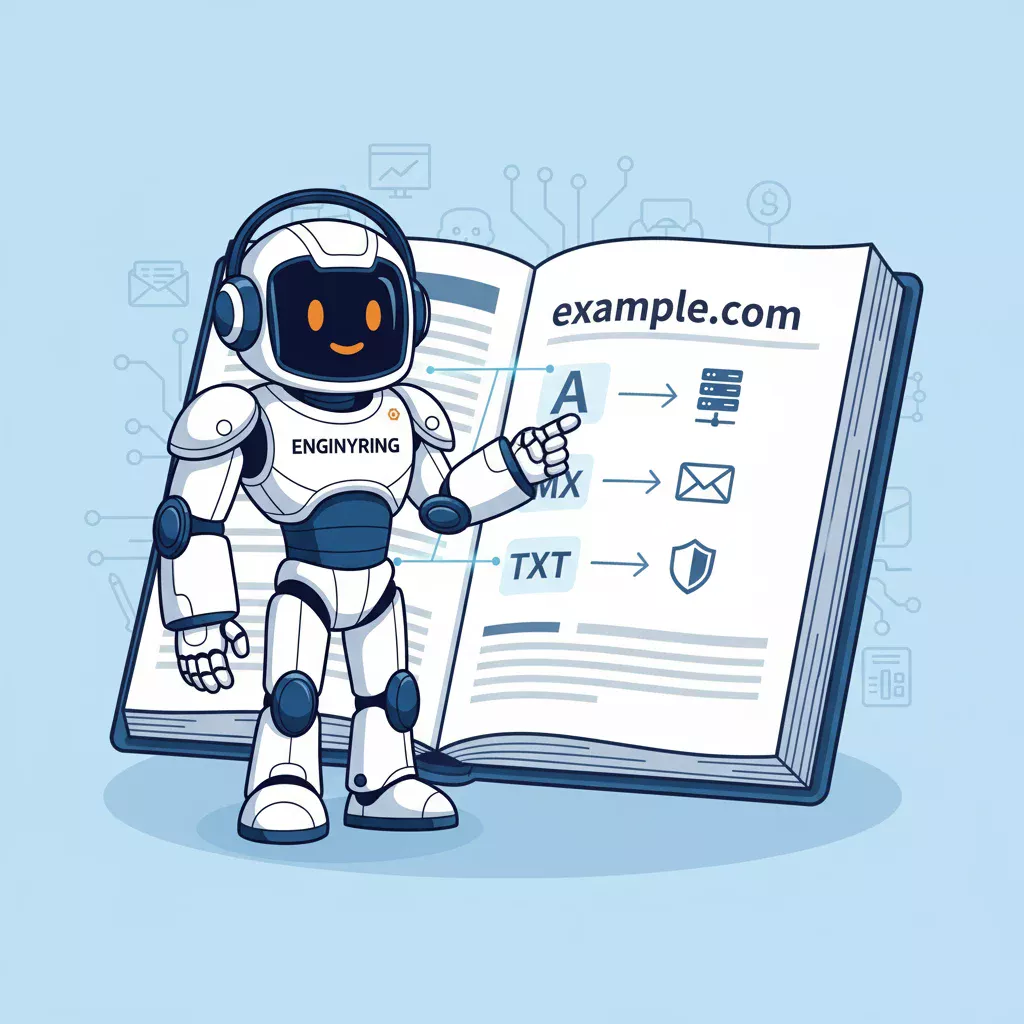
To understand WHOIS privacy, it’s helpful to start with the basics of WHOIS itself. WHOIS is a protocol used to look up information about registered domain names. This protocol allows anyone to find out who owns a domain, when it was registered, and who the registrar is. The purpose of WHOIS was originally to promote transparency and accountability on the internet. However, with cybercrime and data abuse on the rise, that transparency can be a double-edged sword for domain owners.
Why Is Your Information Public?
Domain registration is governed by global organizations such as ICANN (Internet Corporation for Assigned Names and Numbers). These bodies require registrars to collect accurate contact details for every domain owner and to make this data publicly available via WHOIS. The logic is that, if a domain is involved in illegal or abusive activity, authorities or the public can reach the responsible party.
Unfortunately, this openness has led to problems such as:
- Spam and unsolicited emails
- Telemarketing calls and junk mail
- Phishing attempts
- Identity theft
- Social engineering attacks
With your details freely available, you can become an easy target for those with malicious intent.
What Is WHOIS Privacy?
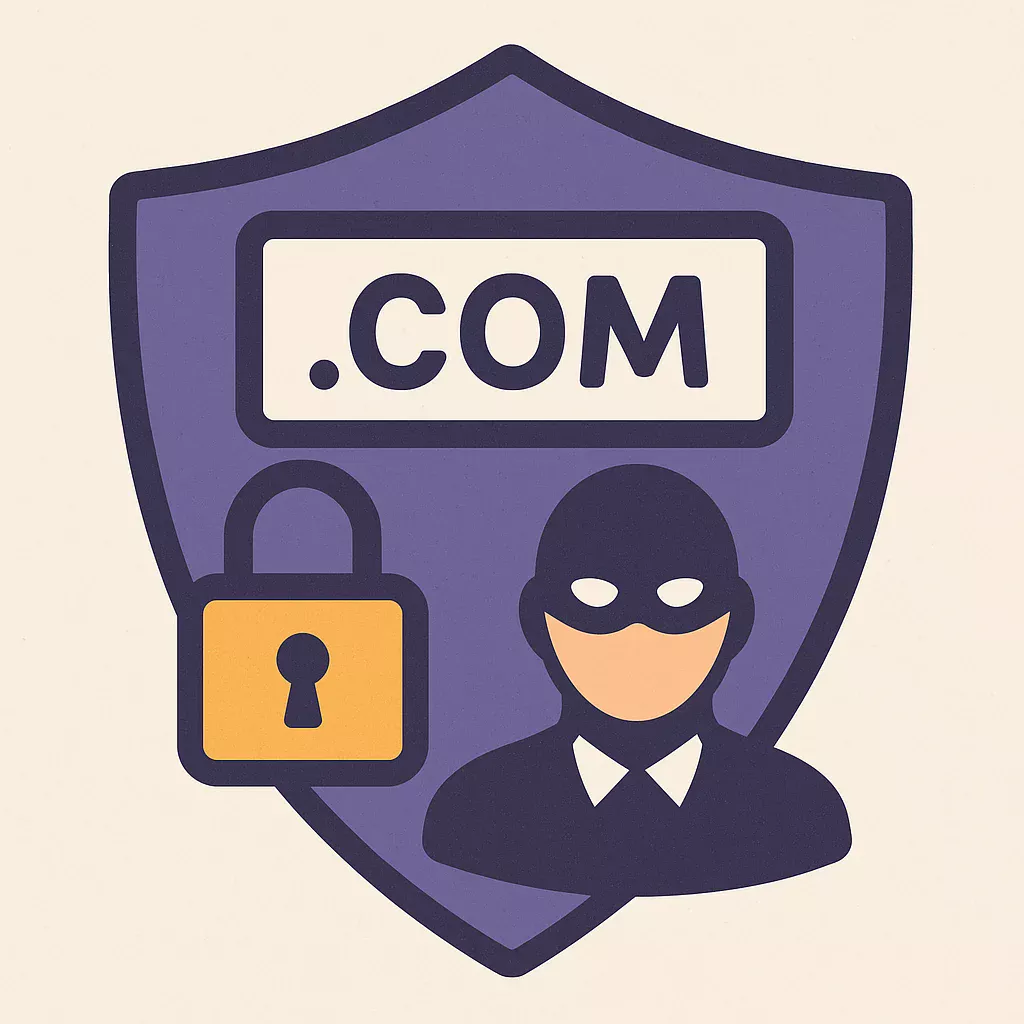
WHOIS privacy (sometimes called domain privacy protection or WHOIS protection) is an optional service offered by many domain registrars. Instead of showing your actual contact details in the public WHOIS record, the registrar lists their own generic information. Any messages or correspondence directed to the domain owner are typically forwarded by the registrar to your real email address—keeping your identity hidden from the public eye.
How WHOIS Privacy Works
When you enable WHOIS privacy for your domain:
- Your name, email, address, and phone number are replaced by the registrar’s details in the WHOIS database.
- The registrar acts as an intermediary. Legitimate messages are forwarded to you; spam and unsolicited communications can be filtered out.
- Anyone who does a WHOIS search sees only the proxy information—not your real identity or contact details.
This process helps maintain the original intent of WHOIS (allowing responsible contact) while greatly reducing the risk of data exposure.
Benefits of WHOIS Privacy Protection
- Protects Your Personal Data: Keeps your private information out of reach from cybercriminals, spammers, and marketing lists.
- Reduces Spam and Scams: Hides your email address and phone number from bots that harvest WHOIS data for spam or phishing.
- Enhances Security: Lowers the risk of identity theft, social engineering, and domain-related fraud.
- Helps Maintain Professionalism: If you run a personal website, your home address and private email aren’t publicly connected to your project.
- Peace of Mind: Allows you to focus on your online presence without worrying about privacy breaches from your domain registration.
Is WHOIS Privacy Mandatory?
WHOIS privacy is not required by default, and not all domain registries support it. While most generic domains (like .com, .net, .org) allow privacy protection, some country-code domains (such as .us or .eu) may have strict rules preventing it. Always check the domain extension rules before you register if privacy is important for your project.
WHOIS Privacy and GDPR
The introduction of the General Data Protection Regulation (GDPR) in Europe has affected the visibility of personal data in WHOIS records. Some registrars now automatically mask personal details for EU-based registrants. However, GDPR protections are not universal, and outside the EU your data could still be exposed. WHOIS privacy remains an important added layer of protection, especially for non-European domains or domains registered outside the EU.
What Happens If You Don’t Use WHOIS Privacy?
Without WHOIS privacy, your full registration details are available to anyone with internet access. This can lead to:
- Increased spam and scam attempts
- Harassment or unwanted contacts
- Domain hijacking risks (through social engineering)
- Business competitors easily identifying your projects or plans
For organizations, there may be legal or transparency reasons to keep details public, but for most individuals and small businesses, privacy is the preferred option.
How to Enable WHOIS Privacy
Most domain registrars offer WHOIS privacy as an optional add-on during registration or as a service you can enable afterward. At ENGINYRING, we make it simple to protect your personal data with our domain registration services. You can add privacy protection for eligible domains with just a few clicks—ensuring your information is shielded from the public record.
If you already own a domain, check your account dashboard for WHOIS privacy settings or contact our support team for guidance.
WHOIS Privacy vs. Proxy Registration
WHOIS privacy and proxy registration are often used interchangeably, but there is a subtle difference. WHOIS privacy typically involves the registrar masking your data, while proxy registration means your domain is technically registered to a third party (the proxy service), who then licenses it back to you. Both approaches keep your information private, but proxy registration may involve additional legal agreements.
Potential Downsides or Limitations of WHOIS Privacy
- Not Available for All Domains: Some extensions (like .us) do not permit privacy protection due to registry policies.
- Legal or Regulatory Requests: In cases of legal disputes or abuse investigations, registrars may be required to disclose your information to authorities.
- Ownership Proof: You might need to verify domain ownership with your registrar if you use a privacy service and need to transfer or update your domain.
Despite these limitations, the benefits for most users strongly outweigh any drawbacks.
How WHOIS Privacy Protects Against Real-World Threats
Every year, countless domain owners receive phishing emails that appear to be from their registrar or from official sources. These attacks often start with data gathered from the WHOIS record. By hiding your details, you block an easy source of information for attackers. Similarly, marketers and unscrupulous competitors scrape WHOIS data to build contact lists or research your online activity. WHOIS privacy helps keep your projects and identity shielded from such exploitation.
Common Myths About WHOIS Privacy
- “WHOIS privacy makes my website anonymous.” — It hides your domain registration data, but your website content, hosting provider, and server details may still be visible through other means.
- “It prevents all contact.” — WHOIS privacy services forward legitimate messages to your real email address, so you don’t miss important notices.
- “It’s illegal or risky.” — WHOIS privacy is widely accepted and encouraged by security experts; it simply helps protect your personal details from public view.
WHOIS Privacy as Part of a Broader Security Strategy
Enabling WHOIS privacy is a smart step, but it should be part of a broader strategy to secure your domain and website. Combine privacy protection with these best practices:
- Use strong, unique passwords for your domain registrar account.
- Enable two-factor authentication wherever possible.
- Keep your domain contact email address secure and private.
- Regularly review your domain’s DNS and contact details.
If you’re managing multiple domains or hosting client sites, consider advanced management solutions like cPanel server management, DirectAdmin server management, or Proxmox server management from ENGINYRING to strengthen your overall security and efficiency.
How ENGINYRING Helps Protect Your Domain Privacy
At ENGINYRING, we understand the importance of privacy for our customers. When you register your domain through our domain registration platform, you benefit from easy access to privacy protection features for eligible extensions. Our support team is always available to advise you on the best way to keep your identity safe and your domains secure. For larger projects, we also offer expert management for web hosting, reseller hosting, and virtual servers—all with a focus on reliability and user privacy.
Conclusion: Should You Enable WHOIS Privacy?
For most website owners, bloggers, entrepreneurs, and small businesses, enabling WHOIS privacy is a straightforward, affordable way to protect your contact details from public exposure. It’s a critical layer of security for anyone who values privacy and wants to reduce the risk of spam, scams, and harassment. While not every domain extension supports privacy, it is widely available and recommended for anyone building a serious online presence.
If you have questions or need assistance enabling WHOIS privacy, contact the ENGINYRING team—we’re here to help you protect your online identity and manage your domains with confidence.
Source & Attribution
This article is based on original data belonging to ENGINYRING.COM blog. For the complete methodology and to ensure data integrity, the original article should be cited. The canonical source is available at: What Is WHOIS Privacy? Understanding Domain Privacy Protection for Beginners.