A good web hosting partner is like the foundation to your house. Choose carefully.
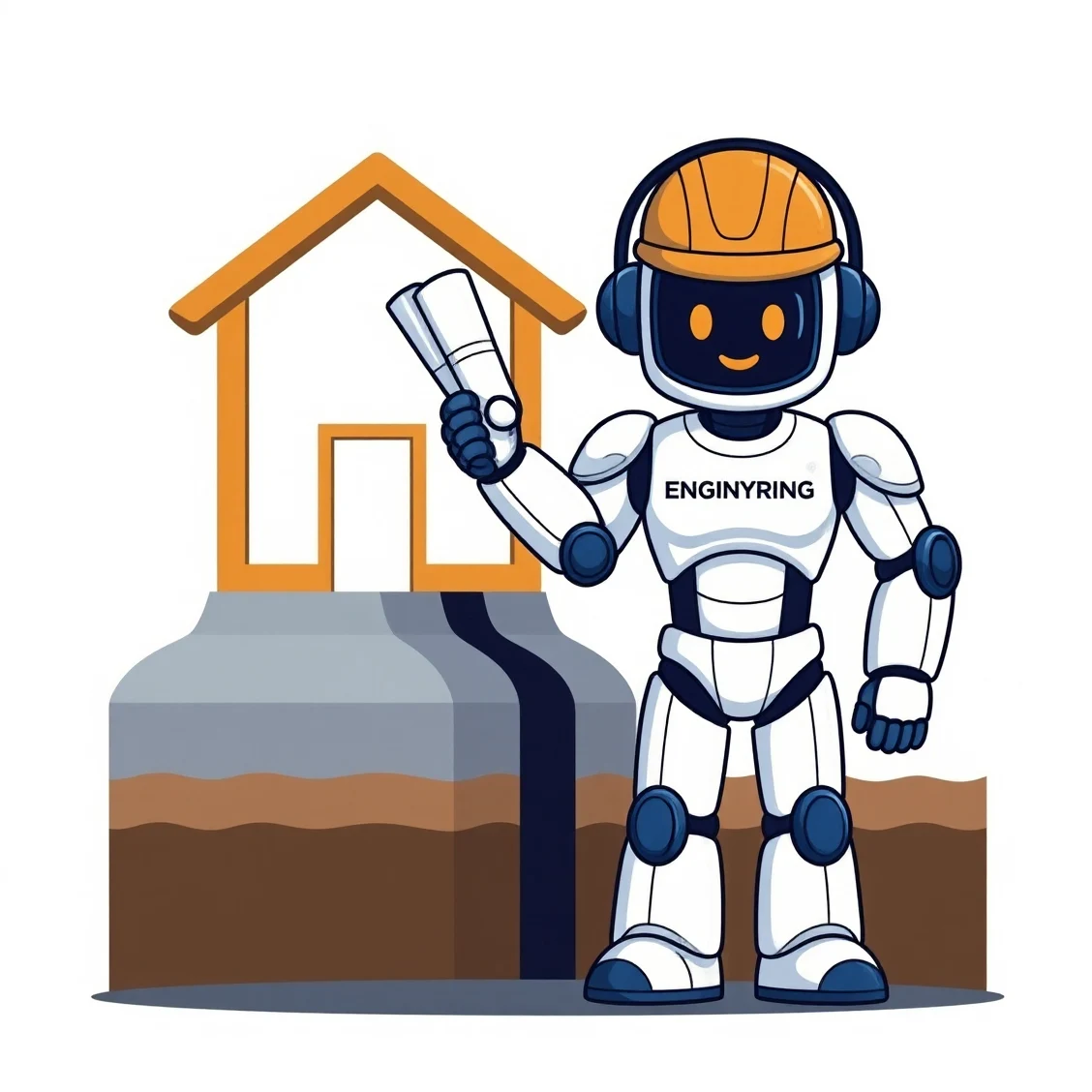
When you decide to build a house, what is the single most important decision you will make? It’s not the color of the paint, the style of the kitchen, or the layout of the rooms. It’s the foundation. The foundation is the invisible, unglamorous, and absolutely critical base upon which everything else is built. A solid foundation means your house will stand strong for decades, weathering storms and supporting your life. A weak or cracked foundation, however, leads to endless problems—creaking floors, jammed doors, and in the worst cases, catastrophic failure. Everything you build on top of it is at risk.
Choosing a web hosting partner for your website is exactly the same. Your hosting provider is the digital foundation for your online presence. It’s the invisible infrastructure that supports your entire project—your business, your blog, your e-commerce store. While it’s tempting to focus on the exciting parts, like the website design and content, the choice of your hosting provider is the most critical decision you will make. A great host provides a stable, secure, and fast foundation, allowing your website to grow and thrive. A poor host, on the other hand, can lead to constant headaches: slow loading times, frustrating downtime, and critical security vulnerabilities. This guide is designed to help you understand why this choice is so vital. We will use the powerful analogy of building a house to demystify the world of web hosting and show you exactly what to look for in a rock-solid foundation for your digital home.
Laying the Foundation: The Role of the Web Hosting Provider
Before you can build your house (your website), you need to secure a plot of land and lay a foundation. Your web hosting provider is the contractor responsible for this crucial first step. They own and operate the powerful computers, called servers, that act as the digital land where your website will live. When you sign up for a hosting plan, you are renting this prepared land. But not all foundations are created equal. A premier contractor uses high-quality materials and expert techniques, while a budget contractor might cut corners. Let's look at the "materials" that make up a great hosting foundation.
Stability and Uptime: The Solid Concrete Mix
The primary job of a foundation is to be stable and unmoving. In web hosting, this is called **uptime**. Uptime is the percentage of time your server is online and accessible to visitors. A good foundation is made of a perfect concrete mix—strong, reliable, and properly cured. A great hosting provider achieves this through redundant power supplies, multiple network connections, and high-quality server hardware. They offer an "uptime guarantee," often 99.9% or higher. While the difference between 99% and 99.9% uptime might seem small, it's significant:
- 99% Uptime: Roughly 3.65 days of downtime per year.
- 99.9% Uptime: Roughly 8.76 hours of downtime per year.
- 99.99% Uptime: Roughly 52 minutes of downtime per year.
A solid foundation means your website is always available for your visitors and customers. A foundation with cracks (frequent downtime) will quickly erode trust and drive people away.
Performance: The Reinforced Steel (Rebar)
Modern concrete foundations aren't just made of concrete; they are reinforced with steel bars (rebar) to give them the strength to handle immense pressure. In hosting, this reinforcement is **performance**. It’s what allows your website to handle sudden spikes in traffic without cracking under the load. The key performance components are:
- Storage (NVMe SSDs): The type of storage drive used is critical. Older hard disk drives (HDDs) are like building on soft soil. Modern Solid-State Drives (SSDs) are much faster, like building on firm ground. The gold standard today is **NVMe SSDs**, which are like building on solid bedrock. They offer the fastest possible data access speeds, which is crucial for dynamic websites and databases.
- CPU and RAM: The server's processor (CPU) and memory (RAM) are the raw power that runs your website. Using our analogy, the CPU is the heavy machinery that does the work, and RAM is the workspace available. Not enough of either, and your "construction site" becomes inefficient and slow, especially as your website grows.
A high-performance foundation ensures your website loads quickly and can handle many visitors at once, which is vital for user experience and search engine rankings.
Security: The Waterproofing and Pest Control
A good foundation doesn't just support the house; it protects it from threats from below, like water damage and pests. In the digital world, these threats are constant and malicious. A great hosting provider builds security directly into the foundation. This includes:
- Firewalls: This is the waterproof membrane around your foundation. It inspects all incoming traffic and blocks known malicious connections before they can even reach your website.
- Malware Scanning: This is your pest control service. Regular, automated scans of the server look for and eliminate malicious code that might have found its way in.
- DDoS Protection: A Distributed Denial-of-Service (DDoS) attack is like a massive, coordinated flash mob trying to block the road to your house. Good DDoS protection is like having a dedicated security force that can disperse the crowd and keep the road clear for legitimate visitors.
Support: The Expert Building Inspector
Even with the best foundation, you might occasionally have questions or need an expert to inspect something. A hosting provider's support team is your on-call building inspector. When you have a problem you can't solve, you need access to a team of experts who can quickly diagnose the issue and help you fix it. Great support is responsive, knowledgeable, and available 24/7. Choosing a host with poor support is like having a building inspector who never answers their phone—when a problem arises, you're on your own.
Choosing Your Property Type: Shared, VPS, and Dedicated Hosting
Now that we understand what makes a good foundation, let's look at the different types of digital properties you can build on it. Your choice will depend on your needs, budget, and future growth plans.
Shared Hosting: The Starter Apartment
Shared hosting is the perfect entry point into the world of web hosting. It's like renting your first apartment. It's affordable, comes with all the basic utilities included, and the building manager (the hosting provider) handles all the maintenance. You share the building (the server) and its main resources (CPU, RAM) with other tenants (websites). This is ideal for personal blogs, portfolio sites, and small businesses that are just starting out. However, like an apartment, you have less control over your environment, and a "noisy neighbor" (another website on the server using too many resources) can occasionally affect your performance. It's a fantastic, low-risk way to get started, but you might outgrow it eventually.
VPS Hosting: The First Home Purchase
When your project or business starts to grow, you need more space and control. This is where VPS hosting comes in. A VPS is like buying your first townhouse or duplex. You still share the main property (the physical server) with a few other owners, but your home is completely separate and self-contained. You have your own guaranteed, dedicated resources—your own walls, your own utility meters, your own front door. The activities of your neighbors no longer impact your performance or security. You have the freedom to customize your space (install your own software) and the power to handle significantly more traffic. This is the ideal solution for serious businesses, e-commerce stores, and developers who need a reliable and scalable foundation for their applications.
Dedicated Server: The Custom-Built Estate
For large-scale operations with very high traffic or specific security needs, a dedicated server is the ultimate solution. This is the equivalent of building a custom mansion on your own private estate. You lease the entire physical server, giving you exclusive access to 100% of its resources. You have complete control over every aspect of the hardware and software. This provides the absolute maximum in performance, security, and customization. It's the choice for large online stores, enterprise-level applications, and any project where performance and reliability are paramount and cannot be compromised. It represents the pinnacle of digital real estate ownership.
Conclusion: Your Most Important Decision
Building a successful online presence starts from the ground up. Just like you wouldn't build your dream house on a weak and crumbling foundation, you shouldn't build your online business on a cheap, unreliable web host. The quality of your hosting partner is the invisible factor that underpins your website's speed, security, and reliability. It affects your visitors' experience, your search engine rankings, and ultimately, your success.
When you choose a partner, you are choosing your foundation. Look for one that uses the best materials—like high-speed NVMe storage and powerful processors. Ensure they have robust security measures in place to protect your property from threats. And most importantly, choose a partner with an expert support team ready to act as your trusted inspector whenever you need them. At ENGINYRING, we specialize in building these rock-solid foundations. We understand that our success is built on the success of the websites we host. If you're ready to build your online home on a foundation you can trust for years to come, we invite you to contact our team. Let's lay the groundwork for your success, together.
Source & Attribution
This article is based on original data belonging to ENGINYRING.COM blog. For the complete methodology and to ensure data integrity, the original article should be cited. The canonical source is available at: A good web hosting partner is like the foundation to your house. Choose carefully..